

Young people shaping global environmental governance
In early April, a Yangtze giant softshell turtle known as “Susu” was spotted emerging from hibernation at Suzhou Shangfangshan Forest Animal World. Believed to be over 100 years old, it is the only known surviving individual of its species in China and one of just two remaining worldwide.
Its reappearance is a reminder of the scale of global biodiversity loss. As climate and ecological pressures intensify, a key question arises: who is shaping the decisions that respond to these challenges?
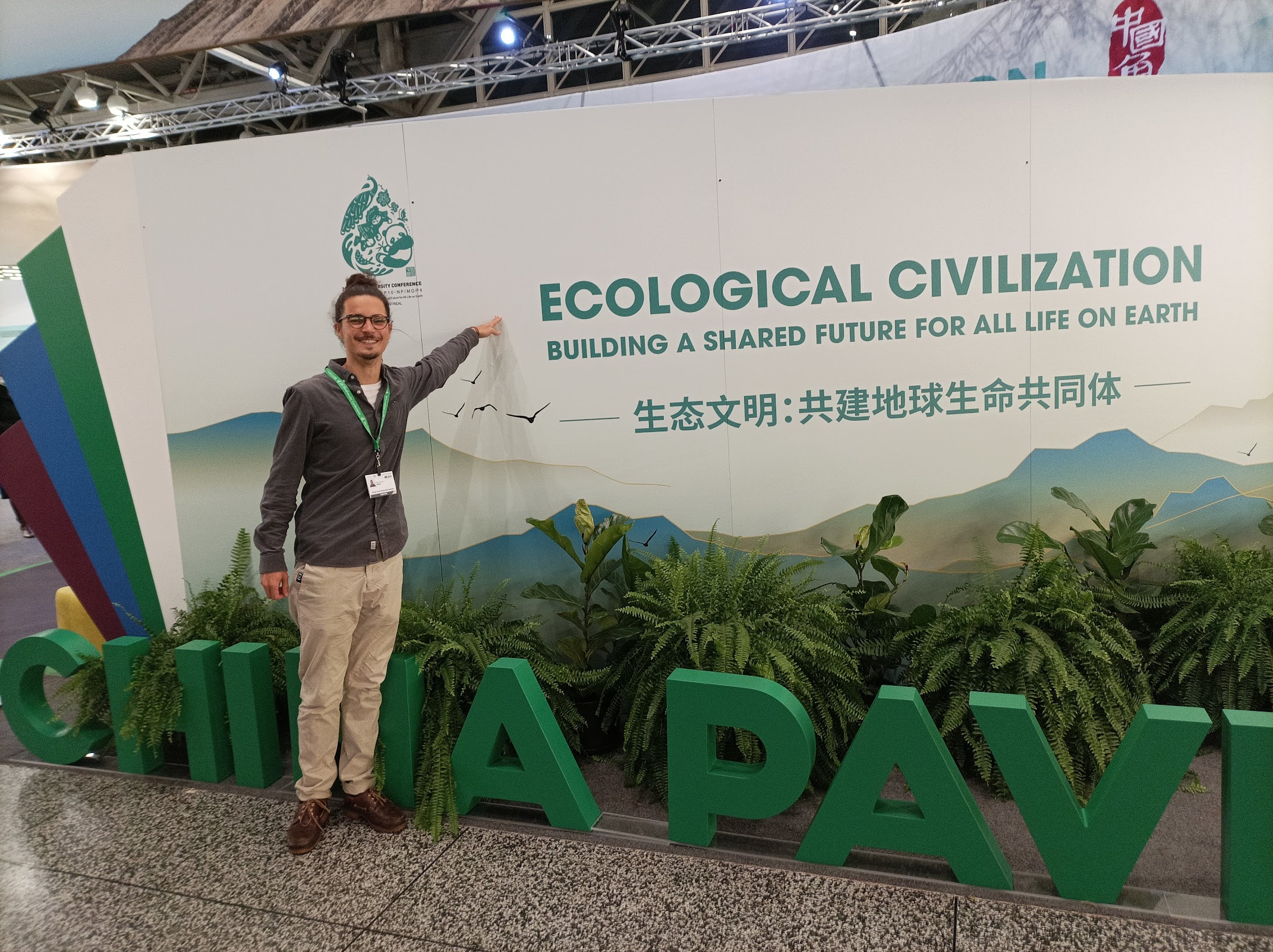
Dr Niklas Weins
Dr Niklas Weins, Assistant Professor at the School of Humanities and Social Sciences at Xi’an Jiaotong-Liverpool University (XJTLU), recently co-authored a study on the role of youth networks in bridging local and global environmental governance. The study was published in People and Nature, a journal dedicated to research on human-nature relationships with ecological and interdisciplinary value.
Drawing on 12 international youth networks, the study examins how young people engage in biodiversity, ocean, forest, and climate-related issues, as well as their real-world impact. It reveals that young people are not only active at the local level but are increasingly present in global policy discussions.
“These networks have trained more than 15,000 young people, reached 17.7 million views on social media, and delivered hundreds of local projects,” Dr Weins said. “The activities range from reforestation efforts in the Philippines to contributions to the Kunming-Montreal Global Biodiversity Framework.”
“Young people are no longer just stakeholders, but emerging actors in environmental governance,” he added.
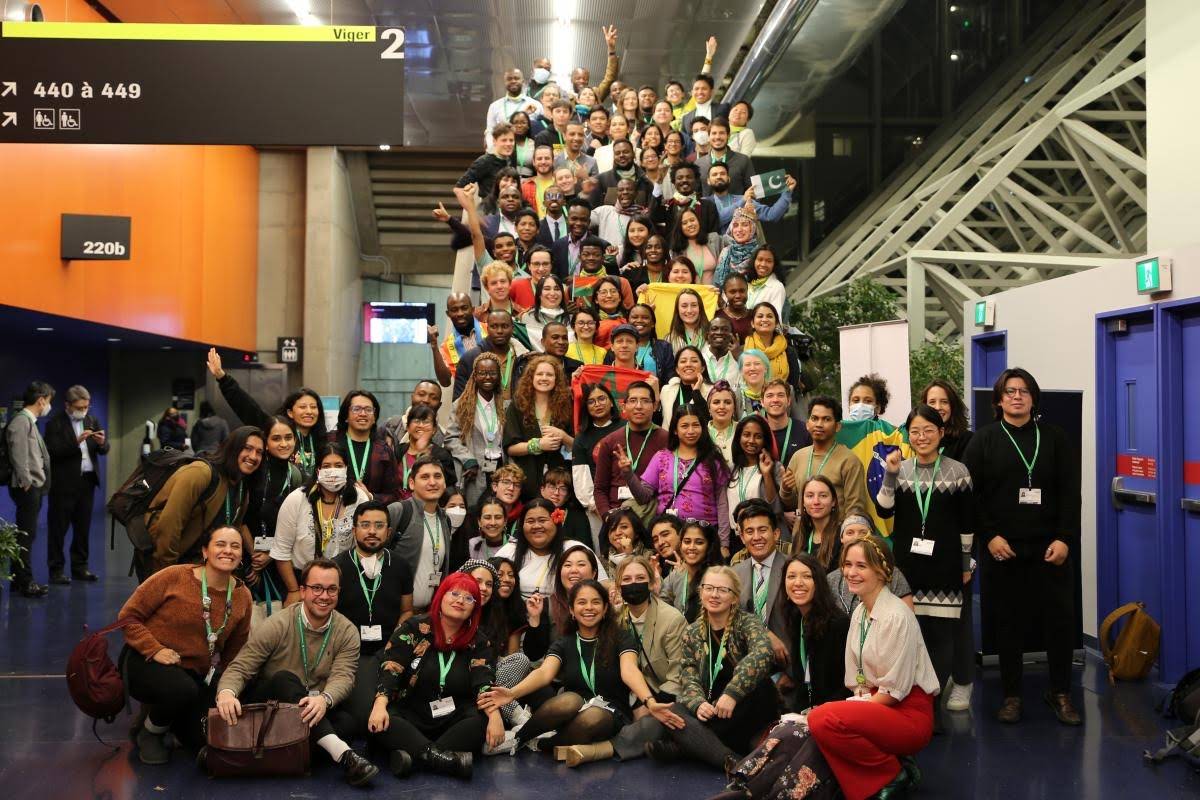
Dr Niklas Weins (far right) with a group of young scientists from Colombia, Ghana, Spain, South Africa, and Germany
The findings also identify the role of youth networks as connectors. On the one hand, they bring practical experience into policy spaces, making environmental governance more grounded in real-world contexts. On the other hand, they integrate different issues into a more coherent governance agenda.
However, the study also highlights barriers to participation, including visa restrictions, limited funding, and unequal access to resources.
“Young people are often framed as the future, but they are already shaping change,” Dr Weins said. “What is lacking is recognition and structural support.”
The research concludes that addressing environmental crises is not only a technical challenge but also a question of inclusion. Expanding meaningful participation will be critical to both the effectiveness and fairness of governance.
“The study reflects XJTLU’s ongoing efforts to connect local and global environmental challenges,” Dr Weins said.
As an outcome of international collaboration, the study brings together contributions from a range of institutions, including Russian Academy of Sciences, United Nations networks, and Wageningen University & Research, Netherlands.
END
By Yiyi Gu
Edited by Katharina Zhu and Xinmin Han
Legal Disclaimer:
EIN Presswire provides this news content "as is" without warranty of any kind. We do not accept any responsibility or liability for the accuracy, content, images, videos, licenses, completeness, legality, or reliability of the information contained in this article. If you have any complaints or copyright issues related to this article, kindly contact the author above.
